
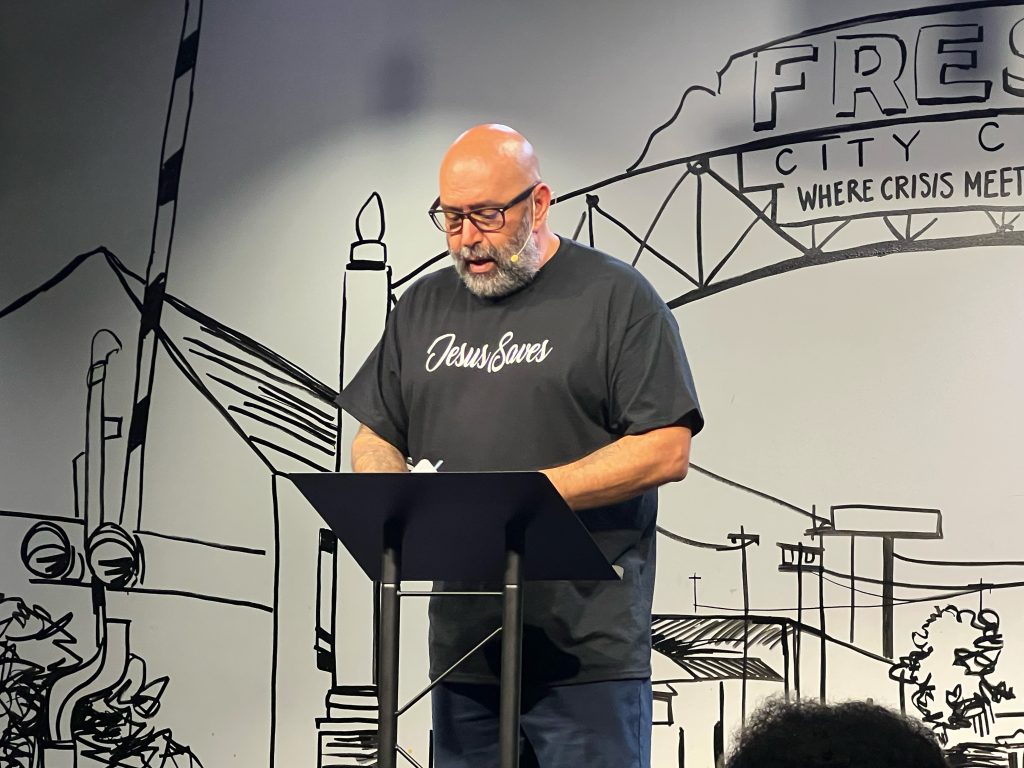
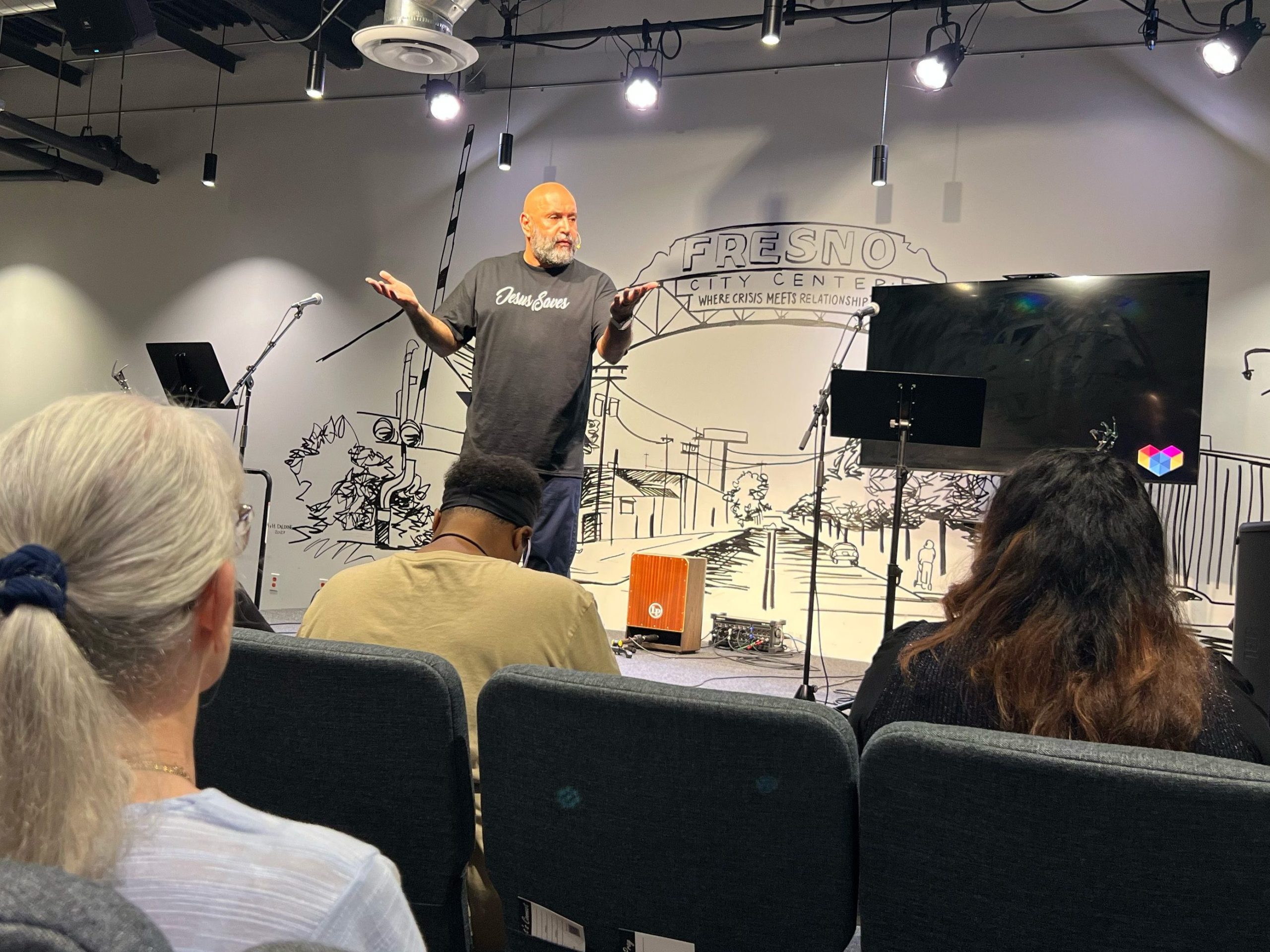
What does it actually look like to love the way Christ calls us to love? That was the question at the heart of Pablo’s message at City Church’s Sunday service. Teaching from 1 Corinthians 13, Pablo challenged the church to look beyond the way our culture often defines love and examine the kind of love God calls His people to live out. God loves us unconditionally, but loving others that way can be difficult, especially when people disappoint us, hurt us, or fail to love us in return. Still, as followers of Jesus, we are called to a love that resembles Christ Himself.
Love in Action, Not Just Understanding
Pablo spoke about agape love and the difference between simply understanding love and putting that love into action. Biblical love is not passive, it shows up in the way we speak, forgive, serve, give, and treat one another. Without that love everything else becomes noise. As Paul writes in 1 Corinthians 13, we can speak eloquently, possess incredible knowledge, and even have faith that can move mountains, but without love, we gain nothing.
Pablo reminded us how easy it can be to become so full of knowledge that we forget love. Our faith should produce fruit, yet a person can have tremendous faith and still have a mean streak. We can know Scripture, say the right things and appear spiritual, but Jesus said we would be known by our fruit. If what we believe never changes the way we treat people, that should cause us to examine what is happening in our hearts.
Examining Our Motives
Pablo also challenged the church to consider the motives behind what we do. Love does not announce itself and in a world where acts of kindness can quickly become content, there is an important question for believers to ask: am I doing this for others, or am I doing it for myself? Biblical love does not parade itself. It is not arrogant and it does not envy or seek its own.
Pablo described envy as something that works from the inside out and Scripture shows us its destructive power again and again — envy played a role in Abel’s death, Joseph being sold into slavery, and ultimately Christ being sent to the cross. When love becomes centered on what we can gain, achieve, or receive, it stops looking like the love Jesus modeled.
Forgiveness Without Losing Accountability
One of the most challenging parts of the message came when Pablo spoke about forgiveness. Love keeps no record of wrongs, but that does not mean love ignores accountability. We are not called to quietly stack offenses against one another until resentment takes over. Instead, we deal with hurt honestly. We have the difficult conversations, seek reconciliation and we forgive while still allowing accountability to bring growth.
Sometimes the person God is calling us to love is the person we least want to love: the person who disappointed us, the person who hurt us or the person we would rather avoid. That is where unconditional love becomes more than an idea. It becomes an action.
A Question Worth Carrying Into the Week
Pablo left City Church with a question worth carrying into the week: am I loving the way God has called me to love, or am I loving for my own satisfaction? Instead of asking, “God, what can I get?” perhaps the better question is, “God, how can I give?” Because the love Christ calls us to is not about recognition, applause, or what we receive in return.
It is a love that serves. A love that forgives. A love that gives. A love that looks like Jesus.